

Practicing Mindfulness
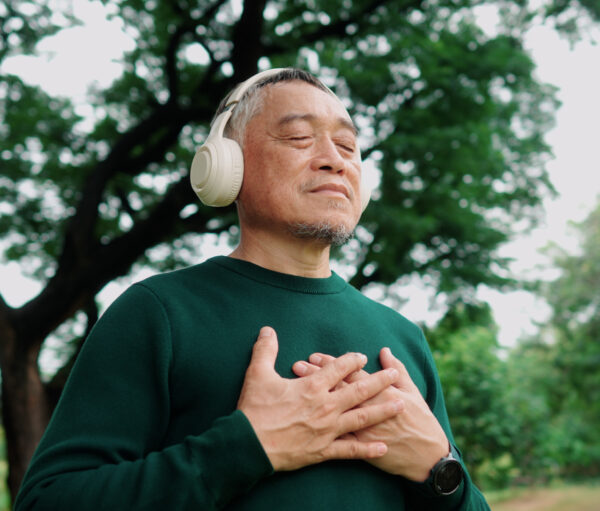
At its core, mindfulness means anchoring your awareness in the here and now by concentrating on a single sensation, object, or experience. Once dismissed as a fringe wellness trend, it now has a growing body of research behind it showing real benefits for stress reduction and overall health. Millions of people around the world have made it part of their daily routine, and it’s increasingly recognized as a complement to traditional medical care and healthy living.
Emerging research also points to similar benefits for people living with Alzheimer’s disease and other forms of memory loss. These accessible techniques can build emotional resilience and deepen your connection to the world around you.
Simple techniques to try
Tune into your breathing
No equipment, no special setting required—just pause wherever you are and turn your attention to your breath. Inhale and exhale slowly, gradually lengthening each breath. Notice the sensation of air moving into your lungs. Release any wandering thoughts and stay grounded by keeping your focus solely on your breathing.
Practice quiet observation
Pick one object—ideally something from the natural world, like a leaf, a bird, or passing clouds—and simply watch it without labeling or judging what you see. Study it as though encountering it for the very first time, noticing small details you might normally overlook. Try to sense its presence and role in the larger world around it.
Cultivate everyday gratitude
This practice is about noticing the small good things that happen throughout your day and pausing to appreciate them. It might be as ordinary as having groceries in the fridge, catching the bus right on time, or simply watching another sunrise.
Building a mindfulness habit amid daily distractions
Modern life moves fast and often prioritizes productivity over presence, which can make mindfulness feel difficult to fit in. These strategies can help you get started.
Make it a daily habit
One of the best things about mindfulness is that it doesn’t require a big time commitment. Even sixty seconds of focused breathing can noticeably ease tension. Nearly everyone can carve out that small window somewhere in their day.
Let go of judgment in the moment
You might notice feelings of worry, sadness, guilt, or frustration surfacing. Rather than pushing these emotions away during your practice, let yourself experience them without labeling them as good or bad, and simply notice how your body responds. The same applies when observing something external—if you’re watching a squirrel, for instance, resist the urge to interpret or analyze its behavior. Just watch.
Notice your wandering mind, then gently refocus
It’s completely normal for your attention to drift during mindfulness or meditation. When you catch this happening, simply acknowledge it without frustration and guide your focus back to your breath or whatever you were observing. There’s no “correct” way to practice—be patient with yourself and accept wherever you are in the moment.
This article is not intended to replace the advice of your healthcare provider.
Source: IlluminAge